The scientific method, operationalized
Building a better AI system takes more than implementing a promising idea. It takes evidence about what worked and a way to carry that learning forward.
A decade of AI engineering behind the thesis
After years shipping production ML and open-source tooling, one lesson held: teams move faster when changes are deliberate, results are recorded, and each decision informs the next.
Founders

Salma Mayorquin
ceo & co-founder
Ex-Databricks Solutions Architect, advising MLOps strategy from startups to Fortune 500. Applied Mathematics, UC Berkeley. 8+ years in ML infrastructure. Recognized by NVIDIA's developer community.
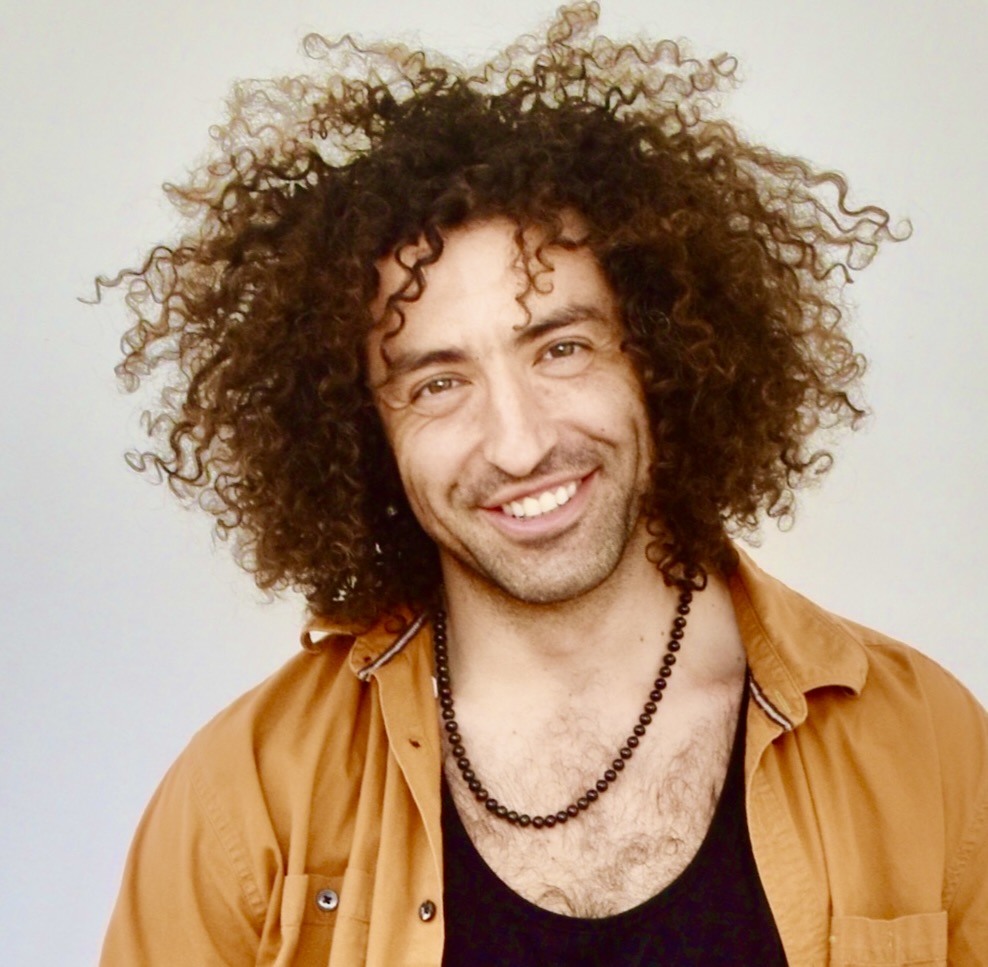
Terry Rodriguez
cto & co-founder
Ex-Riot Games, Robust.AI, and Tubi. 10+ years as an ML engineer and data scientist across healthcare, robotics, and content recommendation. UNC Chapel Hill and UC Berkeley. Open-source tools cited by Google DeepMind.
We named the conference after the unit of progress
On October 30, 2025 we hosted Experiment. Over 900 people registered and 200+ attended to discuss evaluation, iteration, and how strong AI teams learn.
Those conversations shaped this platform. Experiment 2026 is in the works.
# talks, panels, and the hallway track from the inaugural event
Built in the open
Our open-source work, including VQASynth and SpaceLLaVA, was where this thesis first got tested. We also write about experiment-driven AI development on our blog and Substack.
The product evolved as we learned
Remyx began with automated model creation. That work pointed to a harder problem: deciding which change to evaluate, keeping what the team learned, and carrying it into the next decision.
Today's Remyx productizes that lesson. Older material may describe the earlier product, but the through-line is the same: make AI development evidence-driven.

Building AI into your product? Try it on your next change
Evaluate a change in your own repository. Validate proposes the test, runs the comparison and brings the evidence back to the pull request.